Where can you find support when a relationship occupies your thoughts?
Connection with others matters. It can also help to explore where else you find support and direction.
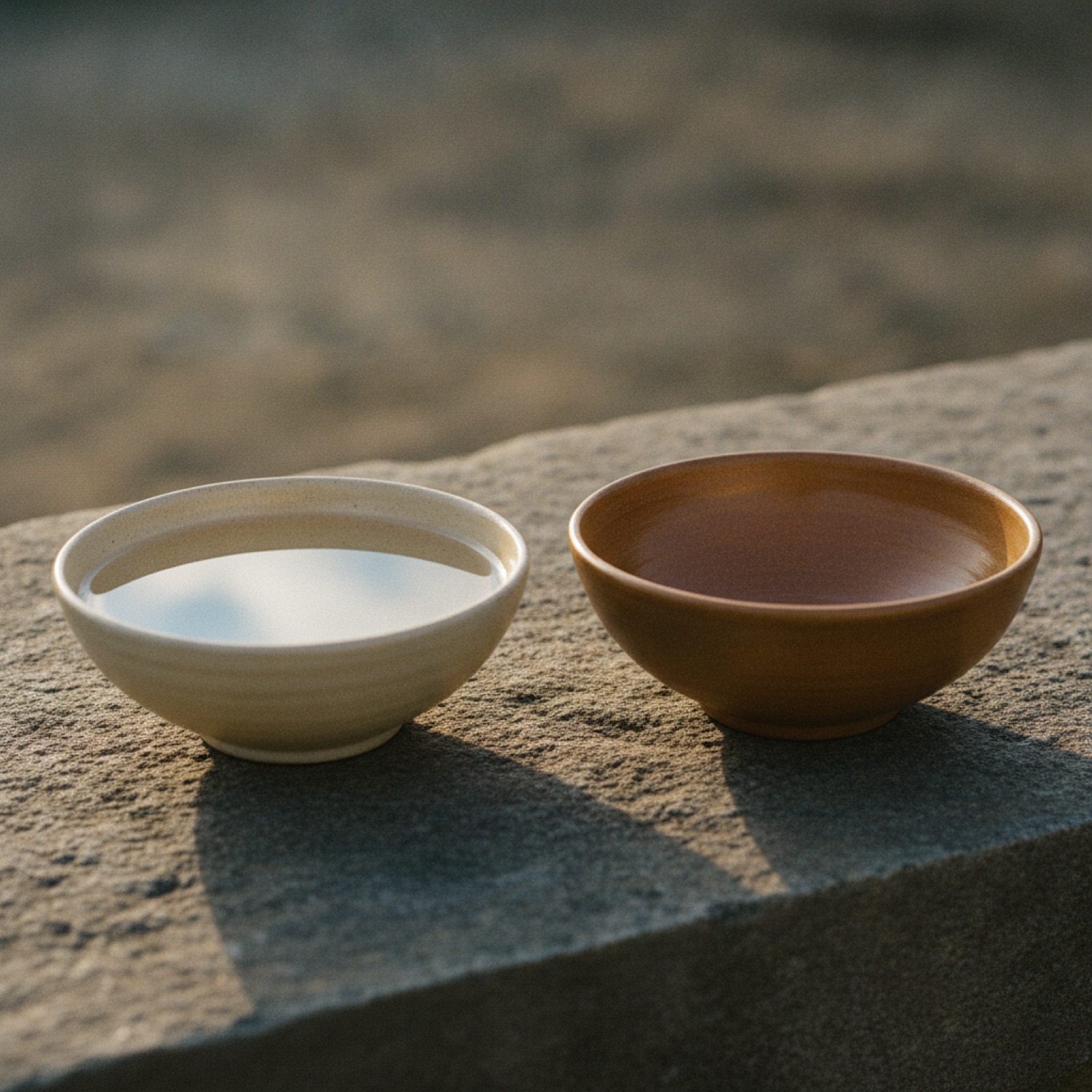
“Where can you find support when a relationship occupies your thoughts?”
When one relationship fills your day
A reply does not arrive and you keep checking your phone. You meant to do other things, but your attention returns to the silence. This can happen when a relationship feels uncertain. It does not mean that you are too dependent or have looked for happiness in the wrong place.
People need each other. A trusted relationship, safety at home and practical support can make a real difference. Advice to find happiness only within yourself overlooks that reality.
A distinction from Stoicism
Epictetus begins the Encheiridion by distinguishing between what is within our influence and what is not ours to determine. This is a philosophical starting point, not evidence that feelings are entirely controllable.
In this example, you cannot decide when the other person replies. Perhaps you can discuss expectations about contact. Or decide to check once this evening before having dinner with a friend. What is useful depends on the circumstances of the relationship.
Your own influence has limits too. Fatigue, money, caring responsibilities or threats can restrict your choices. A more practical question is: what can I do in these circumstances, and who could help?
More than one source of support
It may help if a relationship is not the only place where you find appreciation, company or rest. That does not require making the relationship less important. You are making room for other parts of your life.
Consider a colleague you can talk to, an activity you enjoy, a regular family visit or professional support. A source of support does not have to be profound. It needs to be accessible and useful to you.
Try putting it on paper
Draw two columns. On the left, write what you hope for from the other person. On the right, write what you could arrange yourself or with help. Some things can stay on the left. A need does not become unreasonable because you cannot meet it alone.
Choose one small point from the right-hand column and make it specific. Who could you call? What arrangement would help? What do you need first? If a situation is unsafe, finding support comes before practising patience or trust.
The Frequency of Happiness explores these questions alongside daily habits and ideas about meaning. The complete book is included with the course; the first nine chapters are free.
Going further
If this landed — here is where you can live it.
Every article is a taste. The Frequency of Happiness is the full path where this can land in your own life — at your pace, with a guide.
People who read this also read
Historical voices
Sappho, Teresa and Rabia: three different languages of love
Poetry, Christian mysticism and Sufi tradition offer different ways of thinking about love. Those differences matter.…
2 min read
Historical voices
Julian of Norwich: reading God as mother
What Julian’s maternal imagery can invite you to consider, without turning her words into a promise about your future.…
2 min read
Shadow & shame
The second arrow: noticing pain without blaming yourself
A Buddhist image can help distinguish pain from self-criticism. It is not an instruction to think difficult feelings awa…
2 min read